Microplastic pollution threatens freshwater and marine environments. To inform and monitor effective solutions, researchers and community scientists need more reliable data.
Since studies suggest that 99.8% of oceanic plastic sinks below the ocean's surface, it's crucial to collect and analyze microplastics at depth—something that has traditionally been extremely challenging.
Easily Monitor Microplastic Pollution
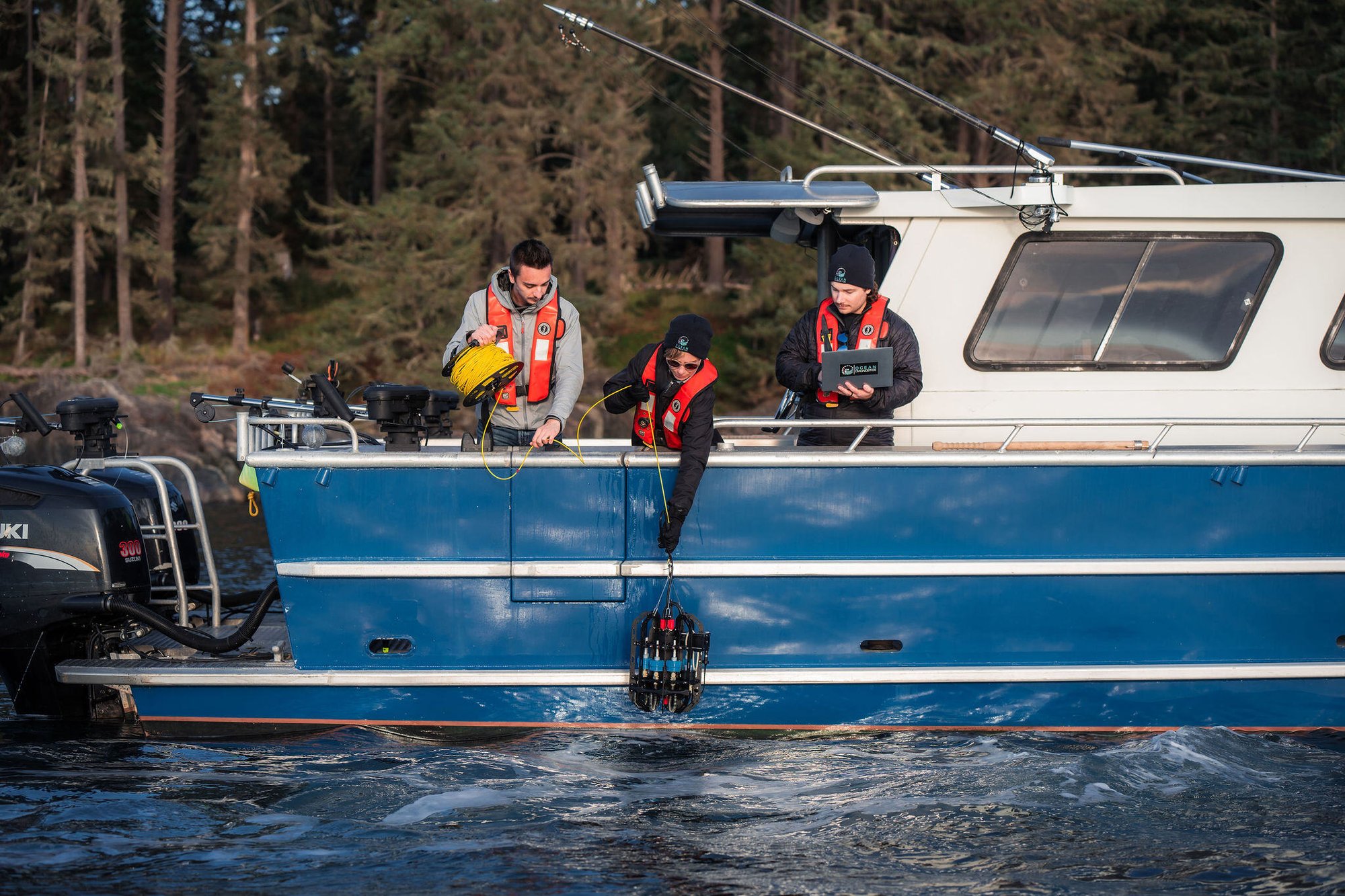
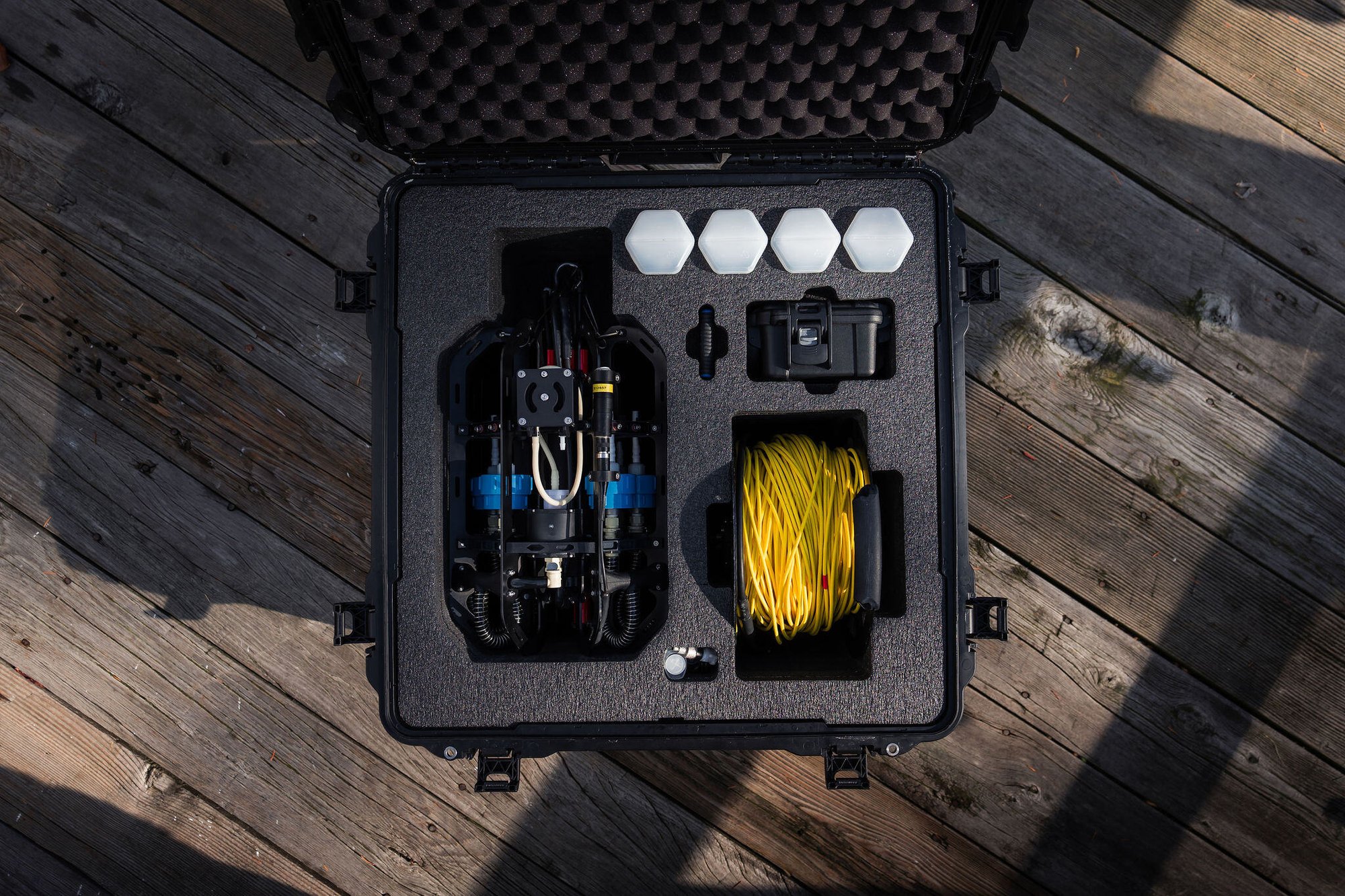
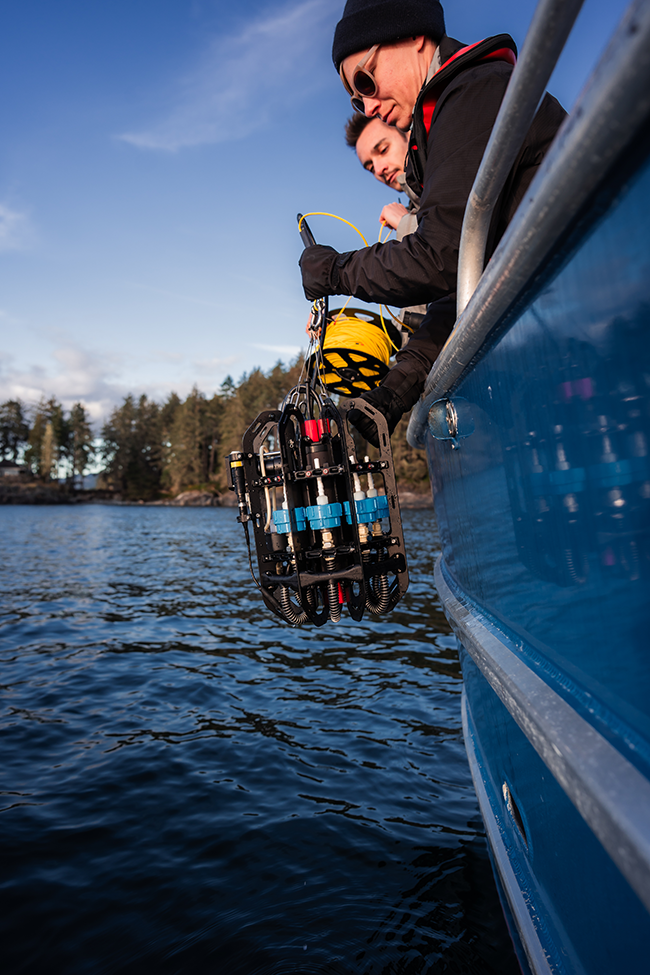
Ascension is a portable, automated instrument capable of collecting 7 separate filtered microplastic samples per deployment down to 400-meter depths from the side of a small vessel or fixed installation. Filtering water directly in situ, Ascension significantly increases microplastic monitoring capabilities.
System Requirements: Windows 10/11 laptop with Bluetooth capability
Automation, real-time sensing capabilities and in-situ filtration
Subscribe for Product Updates
Case Studies
Ascension for National Microplastics Monitoring Framework
In collaboration with the National Research Council of Canada, Ascension is being used to monitor microplastics across Canada and establish a national microplastics monitoring framework.