eDNA sampling technologies detect and monitor invasive species in freshwater and marine environments
Table of Content
☰ OPEN
× CLOSE
Summary
Healthy biodiversity supports all life on Earth. Invasive species are threatening freshwater and marine biodiversity and costing trillions to the economy. Protection and mitigation strategies require scientific data that is difficult to access with traditional biodiversity monitoring methods.
Environmental DNA is an effective method for tracking invasive species. Advanced sampling technologies provide a scalable and cost-effective solution for early detection and ongoing monitoring.
Healthy biodiversity is essential for supporting life on Earth.
In wetlands and freshwater environments, biodiversity supports our drinking water, food and even medicine, flood control and climate change mitigation. (International Union for Conservation of Nature)
Marine biodiversity regulates the climate and provides essential ecosystem services such as oxygen production, food security, and coastal protection. (Science Direct)
How Do Invasive Species Impact Freshwater and Marine Biodiversity?
According to the Convention on Biological Diversity, invasive species are one of the major drivers of biodiversity loss, causing significant and often irreversible changes to ecosystems.
Invasive species are non-native organisms (plants, animals and pathogens) usually introduced by human activity into new environments where they spread without predator pressure, harm native biodiversity and create economic losses.
IUCN’s Red List of Threatened Species states that 1 in 10 species are threatened by invasive species. Invasive species have contributed solely or alongside other drivers to 60% of recorded global extinctions and are the only driver in 16% of documented global extinctions.
The economic cost of Invasive Species is estimated at USD 1.288 trillion from 1970-2017. (Diagne, C., Leroy, B., Vaissière, AC. et al., 2021)
Mitigating Invasive Species in Freshwater and Marine Environments
When an invasive species is established, mitigation is required to eradicate, contain or control the population. (CBD) Research and monitoring are required to establish adequate baselines and early detection measures to help mitigate the threat.
Detecting and preventing invasive species in freshwater and marine environments is challenging, particularly in remote and hard-to-reach environments.
Traditional methods (like trapping and fishing) can disturb native biodiversity
Traditional methods often involve specialized equipment and manual labour, making them difficult to scale
Some methods like visual identification and imaging are inaccurate and prone to human error
Many environments are hard to access
Because of these barriers, relatively little scientific data is available on the pathways and impacts of invasive species. By the time they are detected using traditional methods, they have most likely already been established for some time and can increase the cost of eradication efforts substantially.
Effective Strategies to Detect Invasive Species
Environmental DNA (eDNA), a method that extracts genetic data shed into the water by freshwater and marine species, is a sensitive cost-effective and scalable method for detecting and monitoring invasive species in even the most remote environments.
In the past, eDNA has been challenging to obtain, especially in remote environments or at depth. Existing equipment has been large, heavy and expensive, often requiring time-consuming and manual processes that are prone to sample contamination.
New eDNA sampling technologies are emerging to overcome these challenges.
eDNA Sampling Technologies for Invasive Species Detection
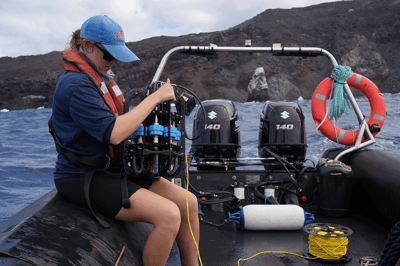
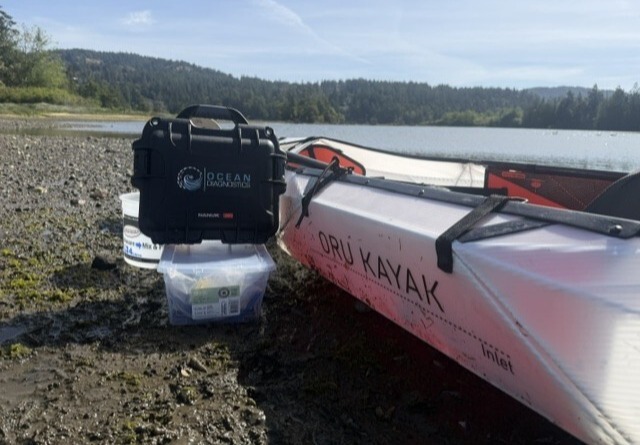
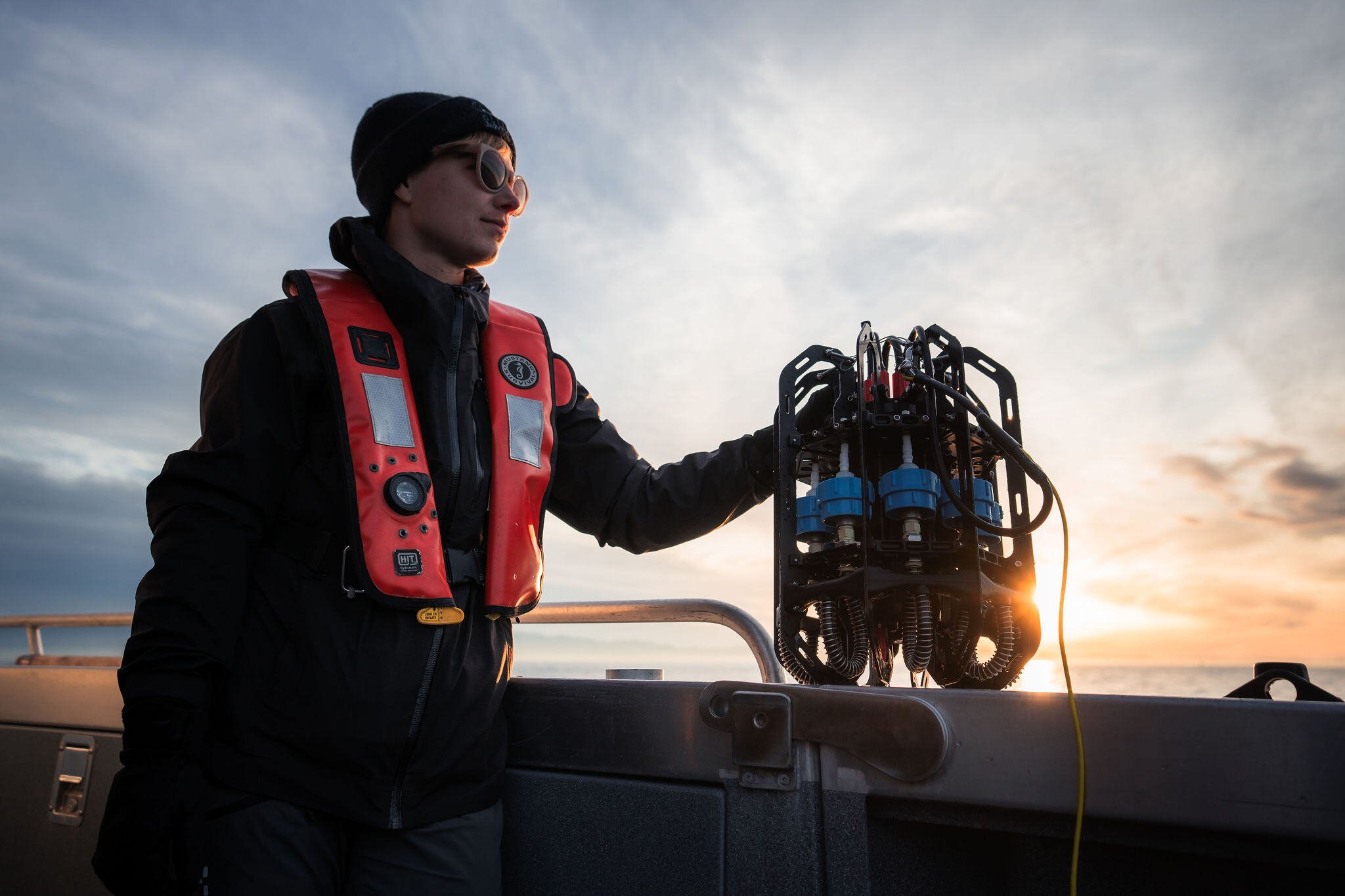
Technological advancements have enabled the development of portable, rechargeable, easy-to-use, cost-effective and scalable eDNA samplers. Both surface and depth samplers are now commercially available to detect and monitor invasive species in freshwater and marine environments.
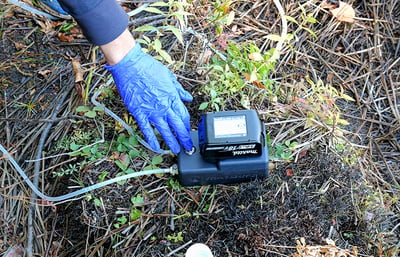
Ocean Diagnostics’ eDNA Surface Sampler is a self-priming vacuum pump operated with a single button. It enables standardized environmental DNA sampling in locations where other equipment would be difficult or impossible to deploy.

.png?width=750&height=500&name=OceanDiagnotics_eDNA_SurfaceSampler-1(web).png)