
MICROPLASTICS LABORATORY ANALYSIS SERVICES
State-of-the-art microplastics testing in an ISO-5 Clean Laboratory
Reliable microplastics data to support informed decision making.
Microplastic pollution is an environmental concern. To implement solutions decision makers require verified scientific data. Ocean Diagnostics' Certified ISO-5 Clean Laboratory provides comprehensive data and insights. Using Fourier Transform Infrared Spectrometer (FTIR) and internally-developed automated workflows, our experts provide reliable data on polymer abundance, size, morphology, and chemical composition. This information is critical for identifying sources and potential solutions.
Our Laboratory
Our specialized laboratory is designed to deliver high sensitivity and reliable microplastics analysis services.
Clean Room Contamination Control
We mitigate microplastic contamination through stringent controls, including operating in an ISO 5 clean room and adhering to specialized protocols.
Cutting-Edge Equipment
Our state-of-the-art Fourier Transform Infrared Spectrometer (FTIR) with ultrafast chemical imaging offers rapid and accurate microplastics detection, characterization and quantification.
Industry Standards
We align with the latest industry standards for microplastics and spectroscopy analysis. We stay ahead of new developments, rapidly adapting to ensure that our methods are always at the forefront of the field.
Scientific Expertise
Our highly skilled team handles, analyzes and interprets microplastic data from environmental samples. We deliver results that your organization can confidently rely on for critical decision making.
Our Services
We specialize in environmental microplastics sample analysis.
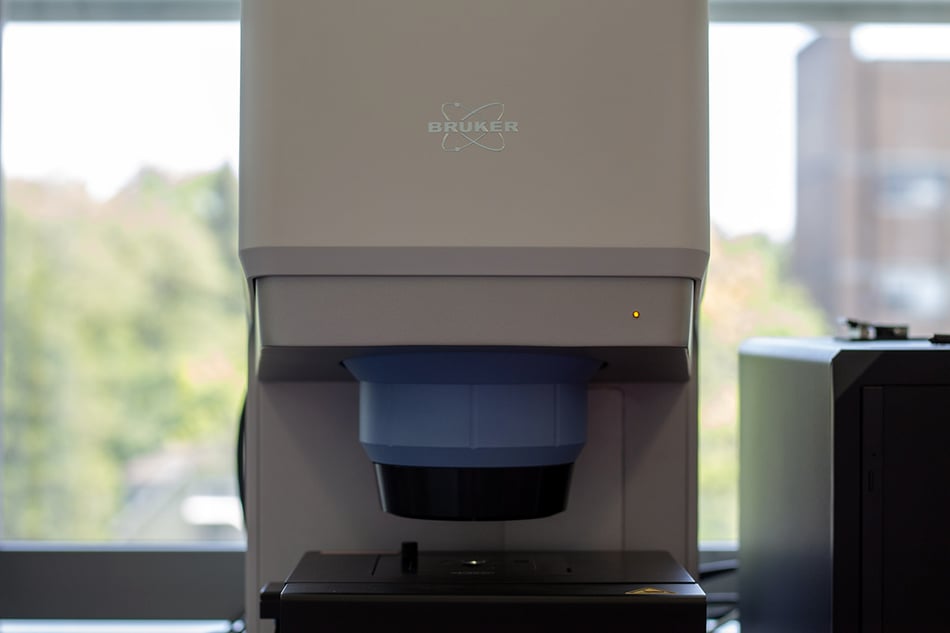
Individual Particle Analysis
This service uses the Attenuated Total Reflection (ATR) mode on the FTIR to analyze individual suspected microplastic particles down to 10 µm in size.
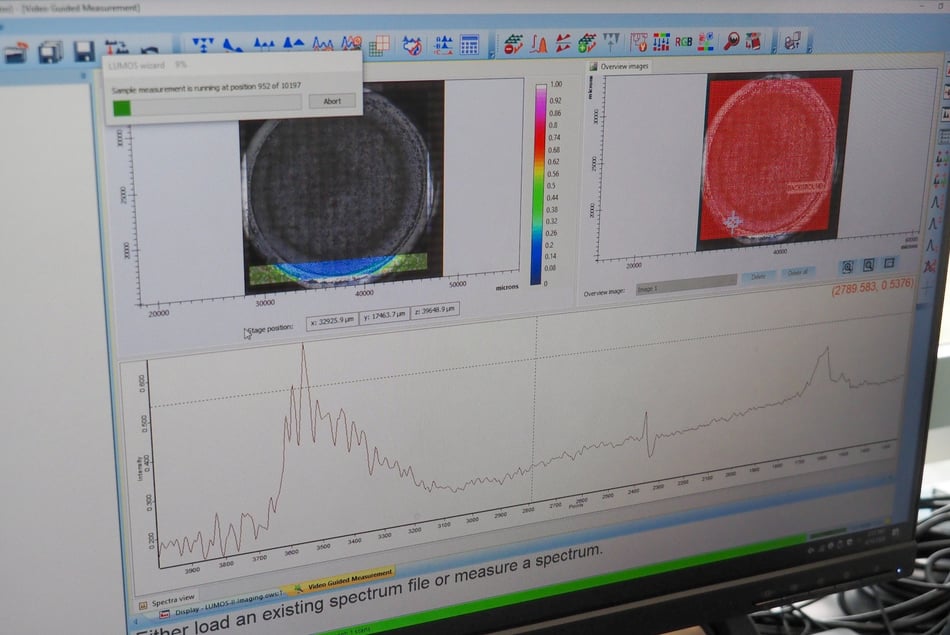
Filtered Environmental Water Sampling Services
This service uses the Focal Plane Array (FPA) mode on the FTIR to detect to analyze microplastic particles down to 10 µm from stainless steel filters.
Reports & Case Studies
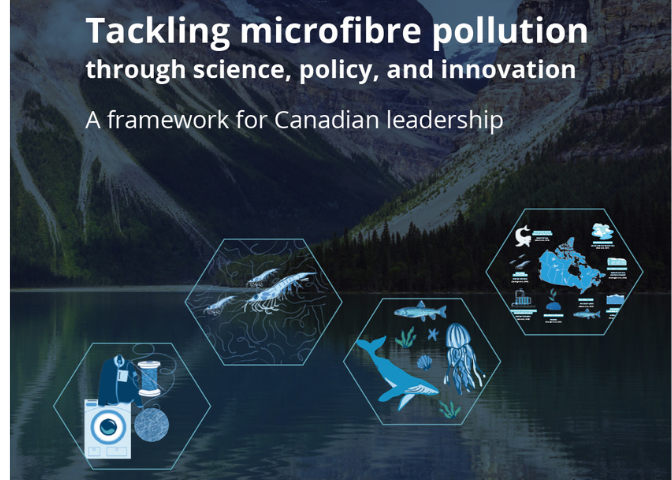
Report
In collaboration with Environment Climate Change Canada and Raincoast Conservation Foundation, we delivered a national report on microfibre pollution and solution recommendations.
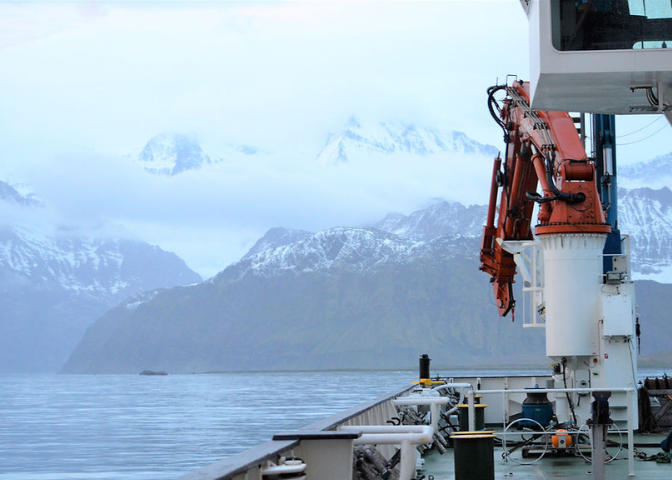
Study
In partnership with British Antarctic Survey, we identified microplastics at depth in Antarctic waters.
Report
In collaboration with Environment Climate Change Canada, we generated the largest microplastics data set in the Greater Victoria Region.